
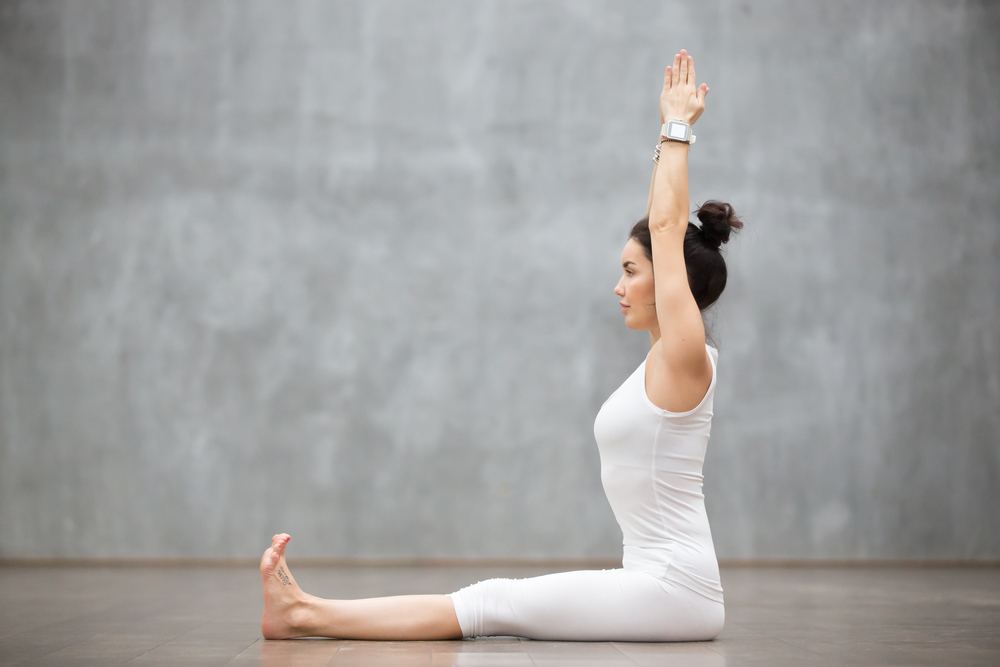
Good posture and proper alignment are essential for maintaining a healthy and functional body. One key component that greatly influences posture and alignment is the core muscles. The core, which consists of muscles in the abdomen, back, and pelvis, plays a crucial role in providing stability and support to the spine. In this article, we will explore the impact of core conditioning on posture and alignment and how developing a strong core can improve overall body mechanics.
Understanding Posture and Alignment
Posture refers to the position in which we hold our bodies while standing, sitting, or lying down. Proper alignment refers to the optimal positioning of the various body segments in relation to each other. When our posture and alignment are out of balance, it can lead to muscle imbalances, joint stress, and even pain. The core muscles, being at the center of our body, have a direct influence on our posture and alignment.
The Role of Core Muscles
The core muscles provide stability, support, and control to the spine and pelvis. They work together to maintain proper alignment and prevent excessive movement or strain on the spine. The major core muscles include the transverse abdominals, rectus abdominis, obliques, erector spinae, and deep muscles of the pelvic floor. When these muscles are weak or imbalanced, it can lead to poor posture and alignment.
The Impact of Core Conditioning
Improved Spinal Stability: Core conditioning exercises strengthen the deep muscles that support the spine, promoting better spinal stability. A strong core helps to maintain the natural curves of the spine and reduces the risk of spinal injuries or conditions such as herniated discs.
Enhanced Postural Alignment: Weak core muscles can contribute to postural imbalances such as excessive rounding of the shoulders or an anterior pelvic tilt. By strengthening the core, we can improve postural alignment, aligning the body segments correctly and reducing strain on the muscles and joints.
Increased Body Awareness: Core conditioning exercises require conscious engagement and activation of the core muscles. This increased body awareness helps individuals develop a better understanding of their posture and alignment, allowing them to make necessary adjustments for optimal alignment throughout the day.
Improved Functional Movement: A strong and stable core enhances overall functional movement patterns. Whether it’s lifting objects, bending, twisting, or participating in sports activities, a well-conditioned core provides a solid foundation for efficient and safe movement.
Effective Core Conditioning Exercises
To improve posture and alignment through core conditioning, incorporating targeted exercises is crucial. Here are a few exercises to consider:
Plank: This exercise targets multiple core muscles, including the transverse abdominis and rectus abdominis. Start in a push-up position, supporting your body on your forearms and toes, keeping your body in a straight line. Hold the position for 30-60 seconds, gradually increasing the duration as your core strength improves.
Bridge: The bridge exercise engages the glutes, lower back, and deep core muscles. Lie on your back with your knees bent and feet flat on the floor. Lift your hips off the ground, creating a straight line from your knees to your shoulders. Hold for a few seconds and lower back down. Repeat for several repetitions.
Side Plank: The side plank is a variation of the plank that targets the obliques and the transverse abdominis. To perform the side plank, lie on your side with your elbow directly under your shoulder and your feet stacked on top of each other. Engage your core muscles and lift your hips off the ground, forming a straight line from your head to your feet. Hold this position for 30 seconds to a minute and repeat on the other side.
Dead Bug: The dead bug exercise engages the deep core muscles while promoting stability. Lie on your back with your arms extended toward the ceiling and your knees bent at a 90-degree angle. Lower one arm and the opposite leg towards the floor while keeping your core engaged. Return to the starting position and repeat on the other side.
Bird Dog: The bird dog is another excellent exercise for strengthening the deep core muscles, including the transverse abdominis. To perform the bird dog, start on your hands and knees with your hands directly under your shoulders and your knees directly under your hips. Extend your right arm and left leg, keeping your hips and shoulders parallel to the ground. Hold this position for the targeted time.
Core conditioning exercises play a significant role in improving posture and alignment. By strengthening the core muscles, we enhance spinal stability, promote optimal alignment, increase body awareness, and improve functional movement. Incorporating targeted core exercises into our fitness routine can have a positive and lasting impact on our overall posture and alignment, contributing to a healthier, more balanced body.
Remember, consistency and proper form are key when engaging in core conditioning exercises. If you have any underlying health conditions or concerns, it is advisable to consult with a healthcare or fitness professional before starting a new exercise regimen.