
In recent years, the world of nutrition and wellness has witnessed a remarkable revelation – the potential of probiotics to not only support digestive health but also influence mood and cognitive function positively. This article explores the intriguing connection between probiotics and mental well-being, shedding light on the emerging research that suggests these tiny microorganisms could hold the key to a happier and more mentally agile life.
Understanding Probiotics
Probiotics are live microorganisms, mainly beneficial bacteria, that provide various health benefits when consumed in adequate amounts. These friendly bacteria are most commonly known for their role in promoting a healthy gut, aiding digestion, and bolstering the immune system. However, recent scientific investigations have ventured into the impact of probiotics on mental health and cognitive abilities.
The Gut-Brain Connection
The gut-brain connection, a bidirectional communication system between the gut and the brain, has been a subject of growing interest among researchers. This intricate network suggests that the state of our gut may significantly influence our mental state. Probiotics, by fostering a balanced and diverse gut microbiome, can potentially impact this connection in profound ways.
Probiotics and Mood Regulation
Several studies have indicated that probiotics may have a positive influence on mood regulation. They can modulate the gut microbiota composition, which, in turn, may impact the production of neurotransmitters like serotonin, often referred to as the “feel-good” hormone. An imbalance in serotonin levels is associated with conditions such as depression and anxiety.
Cognitive Enhancement through Probiotics
Emerging research also hints at the potential cognitive benefits of probiotics. A healthy gut microbiome can support overall brain health by reducing inflammation, enhancing nutrient absorption, and producing substances that aid cognitive function. While more research is needed in this area, the initial findings are promising
Strains Matter
It’s important to note that not all probiotics are created equal. Different strains of probiotics may have varying effects on mood and cognitive function. Lactobacillus and Bifidobacterium strains are among the most commonly studied for their potential mental health benefits. When considering probiotics for mood and cognitive enhancement, it’s advisable to consult a healthcare professional for guidance on selecting the right strains.
Incorporating Probiotics into Your Lifestyle
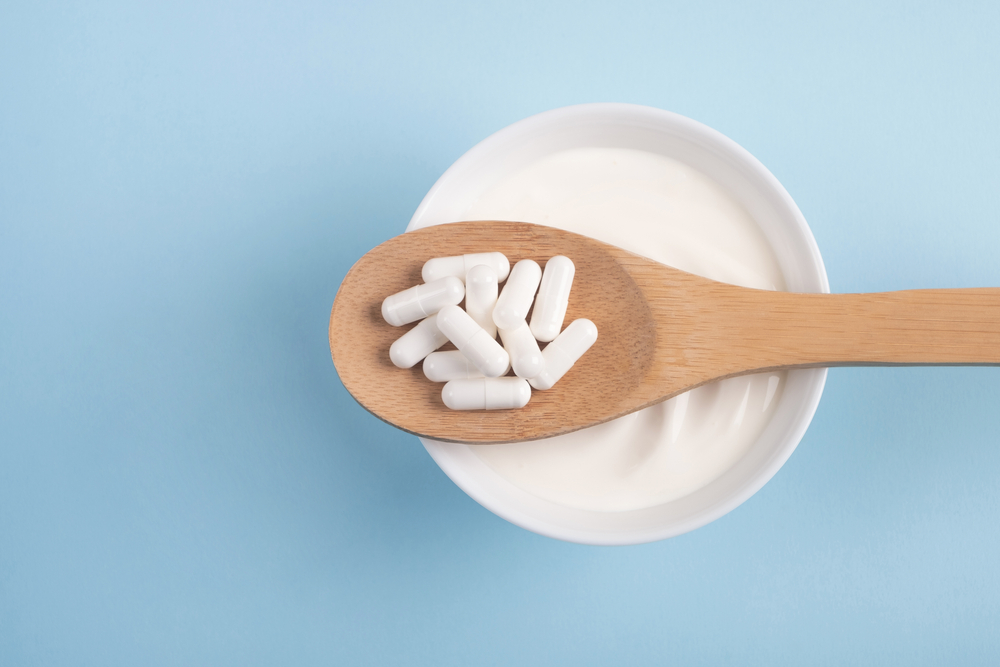
If you’re intrigued by the potential benefits of probiotics for mood and cognitive function, there are several ways to incorporate them into your daily routine. Probiotic-rich foods like yogurt, kefir, sauerkraut, and kimchi can be excellent dietary sources. Additionally, probiotic supplements are widely available and offer a convenient way to ensure a consistent intake of beneficial bacteria.
The relationship between probiotics & mental wellness is a captivating area of research that continues to evolve. While the science is still unfolding, the existing evidence suggests that maintaining a healthy gut microbiome through probiotics could have a positive impact on mood regulation and cognitive function. As our understanding deepens, the role of probiotics in promoting holistic wellness may become even more significant, offering a natural and accessible way to enhance both mental and physical health.