
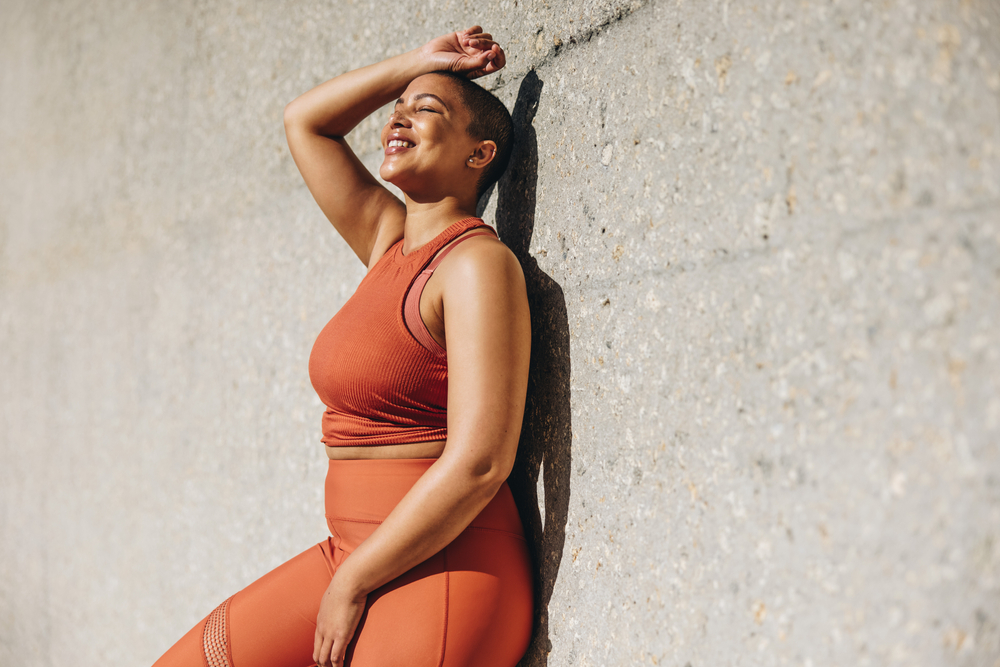
As a fitness professional, it’s not uncommon to encounter female clients who struggle with body image, have unrealistic expectations of themselves, and fall into the comparison trap. These challenges can be incredibly difficult to navigate, but there are ways to empower your female clients and help them develop healthier relationships with their bodies. Here’s how:
- Start with empathy and active listening: The first step in helping female clients ride out body image issues is to listen to them with empathy and without judgment. Often, women feel like they aren’t being heard or understood, so giving them a safe space to talk about their concerns can be incredibly validating. Active listening involves paying attention to what they are saying, asking questions, and reflecting back on what you hear.
- Focus on health, not appearance: Many women are bombarded with messages that their self-worth is tied to their appearance. As a fitness professional, it’s important to shift the conversation away from appearance and towards health. Encourage clients to focus on how their bodies feel, rather than how they look. This can help them develop a more positive relationship with their bodies.
- Celebrate progress, not perfection: It’s important to help clients set realistic goals and celebrate their progress towards those goals, rather than focusing on perfection. Encourage clients to acknowledge their achievements, no matter how small and to recognize that progress is more imperative than perfection.
- Encourage self-compassion: Women often have high expectations of themselves and can be incredibly hard on themselves when they don’t meet those expectations. Encouraging self-compassion can help clients develop a more positive relationship with themselves. Encourage clients to treat themselves with the same kindness and compassion that they would offer to a family member or friend.
- Challenge the comparison trap: Women are often bombarded with images of “perfect” bodies in the media and on social media. This can lead to a comparison trap, where clients feel like they aren’t good enough because they don’t look like the images they see. It’s important to challenge this narrative and encourage clients to focus on their own progress, rather than comparing themselves to others.
- Offer resources and support: As a fitness professional, you may not have all the answers when it comes to body image and unrealistic expectations. It’s important to offer resources and support to clients who are struggling. This can include referring them to a therapist who specializes in body image issues, offering workshops or webinars on the topic, or simply being a supportive presence.
- Model healthy behavior: As a fitness professional, you are in a unique position to model healthy behavior for your clients. This means demonstrating a healthy relationship with your own body, setting realistic goals for yourself, and celebrating your own progress. By modeling healthy behavior, you can inspire your clients to do the same.