
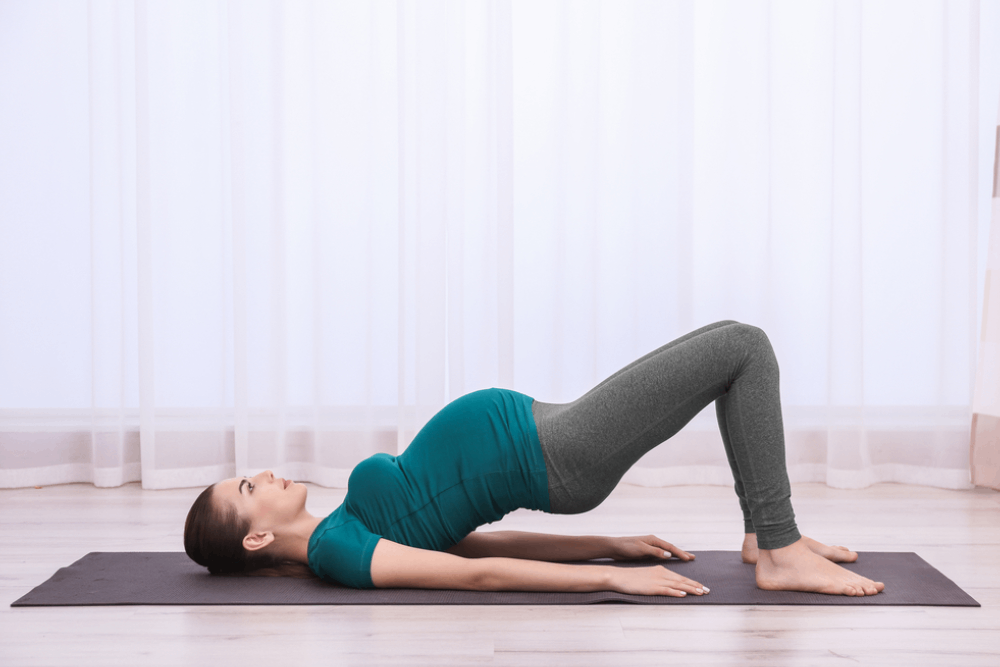
Maintaining a healthy lifestyle during pregnancy is important for both the mother and the baby. Exercise is a key component of a healthy pregnancy, helping to manage weight gain, improve circulation, and reduce the risk of gestational diabetes and other complications. However, it’s important to approach exercise during pregnancy with caution, as there are certain risks and considerations to keep in mind. If you’re pregnant and interested in exercising, here are some tips to help you do so safely and effectively.
Consult with Your Doctor
Before beginning any exercise program during pregnancy, it's important to consult with your doctor. They can help you determine what type of exercise is safe for you based on your medical history and the stage of your pregnancy. If you have any medical conditions or complications, your doctor may recommend modifications or limitations to your exercise routine.
Start Slow and Gradual
If you were not exercising regularly before pregnancy, it's important to start slow and gradual. Begin with light to moderate-intensity exercise, such as walking, swimming, or prenatal yoga. As you progress, you can gradually increase the intensity and duration of your workouts. The goal is to maintain a moderate level of intensity throughout your pregnancy, rather than trying to achieve high levels of fitness.
Focus on Low-Impact Exercises
During pregnancy, the body undergoes significant changes that can affect balance and coordination. For this reason, it's best to focus on low-impact exercises that are easy on the joints, such as walking, swimming, cycling, and prenatal yoga. Avoid high-impact activities that involve jumping or sudden changes in direction, as these can increase the risk of injury.
Listen to Your Body
During pregnancy, your body will tell you what it can and cannot handle. Pay attention to how you feel during exercise, and adjust your routine accordingly. If you experience any pain, dizziness, or shortness of breath, stop exercising immediately and consult with your doctor. It's also important to stay hydrated and take breaks as needed.
Avoid Exercises That Put Pressure on the Abdomen
During pregnancy, the growing baby puts pressure on the abdomen, which can make certain exercises uncomfortable or even harmful. Avoid exercises that involve lying flat on your back, as this can reduce blood flow to the uterus. Also, avoid exercises that involve heavy lifting or straining, as these can increase the risk of uterine contractions or other complications.
Incorporate Strength Training
Strength training is an important component of any exercise program, as it helps to maintain muscle mass and improve bone density. During pregnancy, it's important to focus on low-weight, high-repetition exercises that are safe and effective. Use resistance bands or light weights, and avoid exercises that require you to hold your breath or strain excessively.
Stay Cool
Pregnancy can make you feel hot and uncomfortable, especially during exercise. To prevent overheating, avoid exercising in hot and humid environments, and drink plenty of water before, during, and after exercise. Wear loose-fitting, breathable clothing, and avoid tight-fitting clothes that can restrict blood flow.
Take Rest Days
Rest is just as important as exercise during pregnancy. Taking rest days helps to prevent overexertion and reduce the risk of injury. Aim for at least one rest day per week, and listen to your body if you need to take additional rest days.
In conclusion, exercising during pregnancy can be safe and beneficial when approached with caution and care. Consult with your doctor, start slow and gradual, focus on low-impact exercises, listen to your body, avoid exercises that put pressure on the abdomen, incorporate strength training, stay cool, and take rest days.