
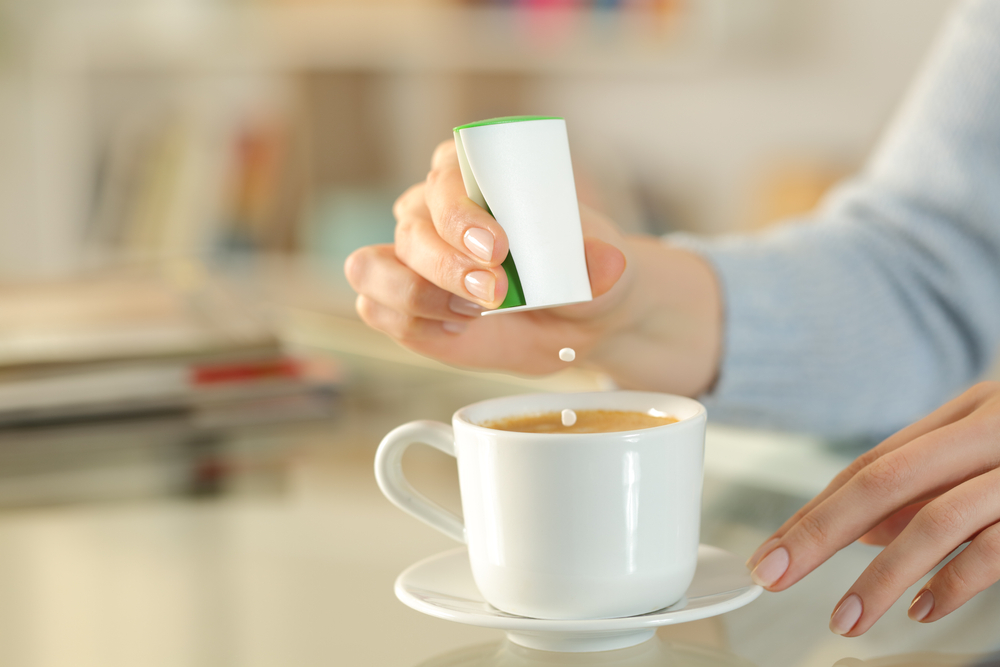
Stevia has gained popularity as a natural, zero-calorie sweetener derived from the leaves of the Stevia rebaudiana plant. But is stevia bad for you, or is it a safe and healthy sugar alternative? Touted as a healthier alternative to sugar and artificial sweeteners, it’s commonly used in beverages, baked goods, and even supplements. But is stevia actually good for you—or could it be doing more harm than good? Let’s explore the pros and cons.
The Pros of Stevia
 Zero Calories & Blood Sugar Friendly
One of the most attractive features of stevia is that it contains no calories, making it an ideal option for those managing weight or blood sugar. Unlike sugar, stevia doesn’t cause blood glucose spikes, making it a safe alternative for people with diabetes or insulin resistance.
Natural OriginStevia is plant-derived and often considered a natural alternative to artificial sweeteners like aspartame or sucralose. This appeals to people who want to avoid synthetic chemicals in their diet.
Potential Health BenefitsSome research suggests that stevia may offer antioxidant, anti-inflammatory, and even blood pressure-lowering effects, although more clinical studies are needed to confirm these benefits in humans.
Oral Health FriendlyUnlike sugar, stevia doesn’t contribute to cavities or tooth decay. This makes it a good option for those focused on dental health.
The Cons of Stevia
Aftertaste and Digestive IssuesMany people report a bitter or licorice-like aftertaste with stevia, especially in high concentrations. Some individuals also experience bloating, gas, or nausea from consuming it, particularly when using blends that contain sugar alcohols like erythritol.
Highly Processed FormsNot all stevia products are equal. While raw stevia leaf is natural, many commercial stevia products are highly refined and may contain additives or bulking agents. Always check labels for added ingredients.
Potential Hormonal Impact (Unconfirmed)A few animal studies have raised concerns about stevia’s possible impact on fertility or hormone levels. However, these findings haven’t been confirmed in human studies, and regulatory agencies generally consider stevia safe in moderate amounts.
Regulatory VariationsPure stevia leaf is not approved as a food additive in some regions, such as the European Union, where only purified steviol glycosides are permitted. This reflects ongoing caution around its safety in certain forms.
Conclusion
Stevia can be a healthy sugar substitute when used in moderation, particularly for those looking to reduce calories, manage diabetes, or protect dental health. However, it’s important to choose high-quality products and be mindful of how your body responds. As with most things, balance is key. When in doubt, consult your healthcare provider especially if you have underlying conditions or sensitivities.