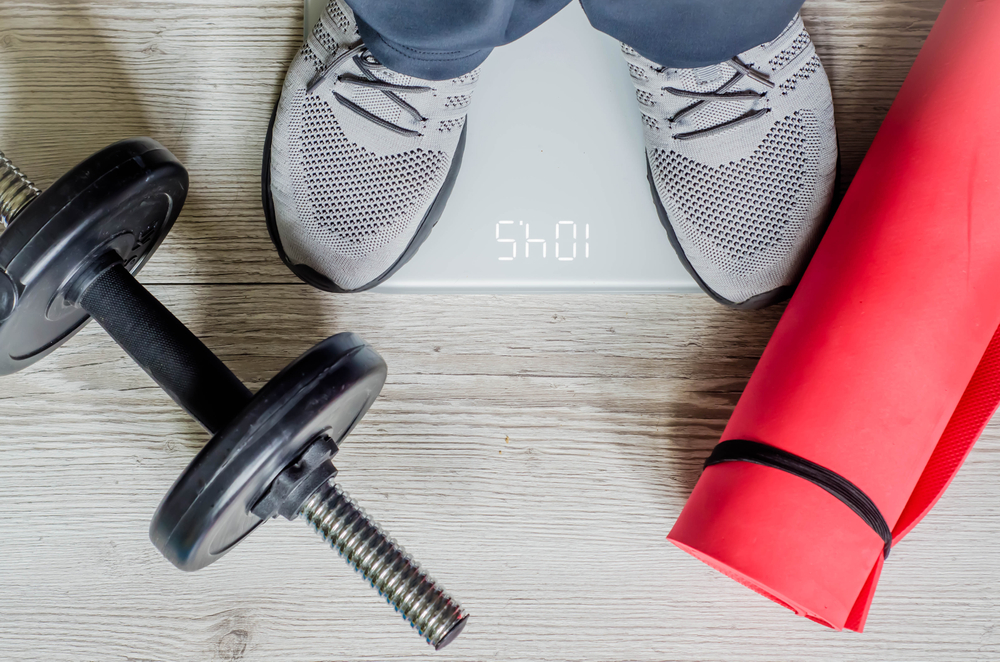
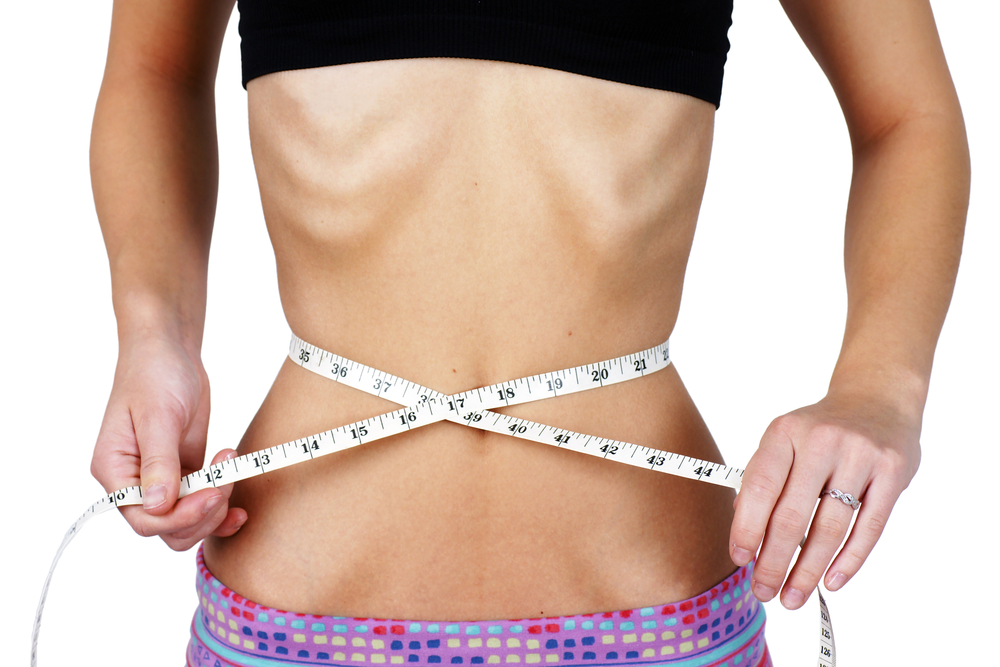
In today’s hyper-visual world, it’s easy to fall into the trap of believing our value lies solely in how we look. Social media filters, idealized bodies, and unattainable beauty standards have quietly contributed to a growing mental health issue — body dysmorphia and self-worth are becoming dangerously intertwined. This condition involves obsessive thoughts about perceived flaws in one’s appearance, often minor or invisible to others but deeply distressing to the person experiencing them.
The Silent Impact on Mental Health
Body dysmorphia doesn’t just affect how you see yourself in the mirror – it shapes your entire identity. It often leads to anxiety, depression, social withdrawal / awkwardness and a constant cycle of comparison. People suffering from it might obsess over a “flawed” nose, skin texture or body shape, believing these imperfections define their worth. The mind becomes a battlefield and self-love gets buried under criticism.
What makes it worse is the illusion that happiness comes once we “fix” our appearance. But mental peace doesn’t arrive with a flatter stomach or clearer skin, it begins when we stop associating our self-esteem to aesthetics.
Shifting the Focus: Health Over Vanity
The truth is, aesthetics are just a bonus. Real transformation happens when you begin taking care of your body out of respect rather than resentment. Moving your body, eating nutritious foods, sleeping well and reducing stress are pillars of health that naturally influence how you feel and look but the goal should be well-being, not perfection.
When we chase aesthetics alone, we burn out, become obsessive and never feel satisfied. But when we prioritize health – mental, physical, and emotional – aesthetic improvements follow effortlessly and more importantly, they don’t define us.
Rebuilding Confidence Without Relying on Looks
Here are a few steps to help reframe your mindset and build self-confidence from within:
- Practice body neutrality: You don’t have to love every part of your body every day but you can respect it. Your body is your home, not your enemy.
- Limit comparison triggers: Unfollow accounts that make you feel less-than. Fill your feed with people who celebrate body diversity and mental well-being.
- Celebrate what your body can do: Focus on nutrition, strength, energy and movement. Whether it’s lifting weights, going for a walk or dancing -it’s proof your body is working for you, not against you.
- Speak kindly to yourself: Your internal dialogue shapes your self-image. Replace self-criticism with affirmations and compassion.
- Invest in your passions: Confidence grows when you cultivate talents, hobbies and goals that have nothing to do with your appearance. Create, learn, connect, serve – these are the things that give you purpose.
Final Thoughts
Body dysmorphia is a painful struggle but healing begins when you recognize that your worth was never tied to how you look. Aesthetics fade, trends shift but true self-confidence is timeless. Take care of your health, nourish your mind and trust that when you feel good on the inside, it reflects on the outside without obsession or comparison.
Your body is not your masterpiece – your life is.